

What Valuable Materials Are Recovered Through Plasma TV Recycling

When plasma TVs were replaced by newer technologies. They frequently ended up in a garbage can, basement, or storage unit. These devices may no longer be a practical use. But can still be recovered for reuse for materials. This is why Plasma TV recycling is crucial to good e-waste management.
Recycling a plasma TV isn't simply about not sending any more bulky electronics to landfill. It enables the separation, treatment, and reuse of valuable materials and decreases the need for new materials used in manufacturing. Knowing what is recoverable is the reason for the continued preference for proper recycling as the best choice when discarding obsolete electronics.

Why Can't Plasma TVs Be Thrown Away With Household Trash?
Electronic devices contain materials that require specialized handling.
They Contain Multiple Components
A Plasma television includes much more than a screen.
Inside the unit are:
Circuit boards
Glass panels
Metal frames
Wiring
Electronic components
Plastic housing
Different materials will need to be recycled in different ways to maximize the recovery. Also to minimize the environmental impact.
Proper Recycling Helps Reduce Waste
Donating electronics to certified electronics recyclers can ensure that the material can be recovered for reuse while the components that should be handled separately are done so.
This helps to ensure more sustainable waste management.
What Metals Are Recovered During Plasma TV Recycling?
One of the highly valuable materials recovered from electronic devices is the metal.
Steel and Aluminum
There are a number of plasma TVs that have steel frames and aluminum parts which can be separated during dismounting.
These metals are used in a variety of processes and recovered for use in new products.
Recycling existing metals also helps to save the need for new metals to be mined.
Copper and Other Conductive Metals
The copper is used extensively in electronic equipment due to its good electrical conductivity.
In the Plasma TV recycling, copper can be salvaged from:
Wiring
Connectors
Circuit boards
Internal electrical components
These recovered materials may be able to be purified or utilized again for a future manufacturing application.
What Happens to Electronic Components?
The electronics inside a television contain additional recoverable materials.
Circuit Boards Contain Valuable Resources
Specialized recycling facilities can process printed circuit boards, which contain a number of metals and electronic materials.
The recovery of these materials promotes resource preservation whilst minimizing e-waste.
The re-use process also ensures that the components are included in a manner that meets set environmental guidelines.
Plastics Can Also Be Recovered
Television housings contain a large amount of recycled plastics.
Depending on the type and condition of the plastic. After sorting and processing some of the plastics can be used in the production of new plastic products.
Recycling plastics helps to keep plastics out of landfills
Are Other Electronics Recycled the Same Way?
There are similar recoverable materials in many electronic devices.
DVR Recycling Follows Similar Principles
Similar to televisions, the DVR recycling also includes the process of demounting the devices to extract valuable materials like metals, plastics and electronic components.
While the devices are of different sizes and capabilities, many parts of the recycling process are similar.
In addition, proper recycling aids in the responsible management of e-waste.
Laptops Also Contain Recoverable Materials
Laptop recycling fosters the recovery of components. That includes such as Circuit Boards, plastics, copper and aluminum.
Certified recycling facilities have special procedures in place to process laptops safely. It is due to the fact that they frequently have data storage devices and rechargeable batteries.
What Role Do Batteries Play in Electronics Recycling?
Battery Recycling Protects Valuable Resources
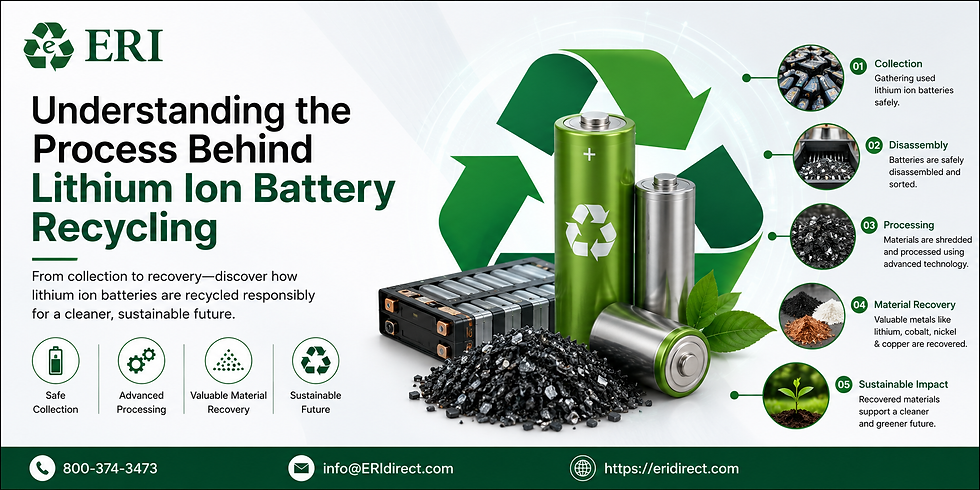
Lithium, nickel, cobalt, and other metals are used in rechargeable batteries.That can be recovered through specialized battery recycling programs.
Recycling also reduces the risk of batteries reaching the environment or safety hazards in landfills. It happens if they are not properly recycled.
Separate Processing Is Often Required
Batteries are typically taken out and recycled separately from conventional electronics. Since they require different recycling processes.
This not only promotes safety. But also enhances the recovery of materials.
FAQs
What materials are recovered through Plasma TV recycling?
Generally, the materials recovered from a Plasma TV recycling operation are high-grade plastics, glass, copper, aluminum and valuable materials from electronic circuit boards and steel.
Can DVR recycling recover reusable materials?
Yes. DVR recycling involves recovering metals, plastics and electronic components that can be used for future manufacturing.
Why are ITAD services important?
ITAD services assist organizations to safely manage retired electronic equipment by responsibly recycling, recovering materials and destroying data when applicable.
Conclusion
While plasma televisions might not be the most widely used display technology, there are valuable materials in them that shouldn't be wasted. Plasma TV recycling in the right way can enable the recovery of metals, plastic and electronic components for re-use and help to manage electronic waste responsibly.
Recycling is still important because of the ever increasing number of electronic devices at the end of their useful lives, in order to conserve resources, prevent landfill waste and optimize the value of existing materials.

Comments